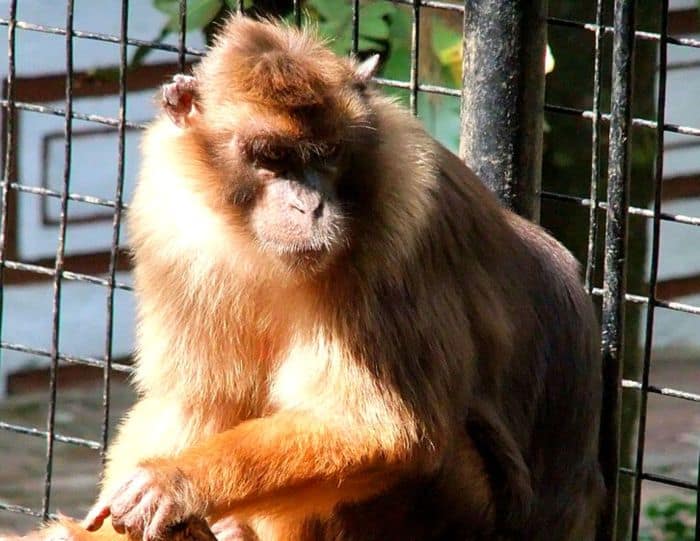
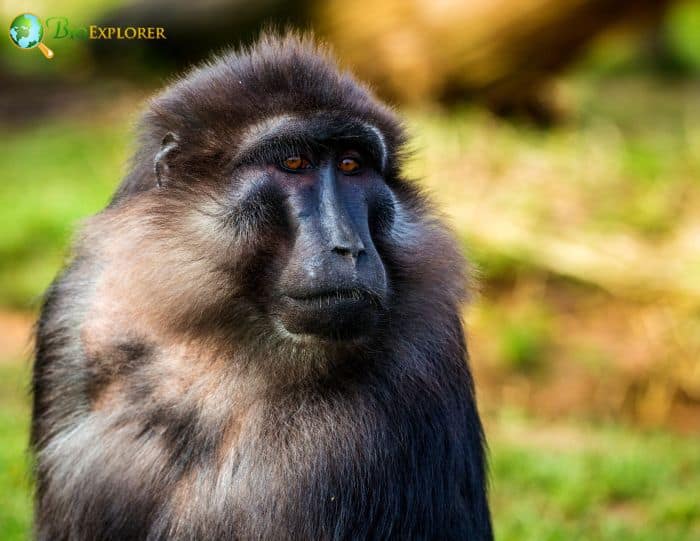
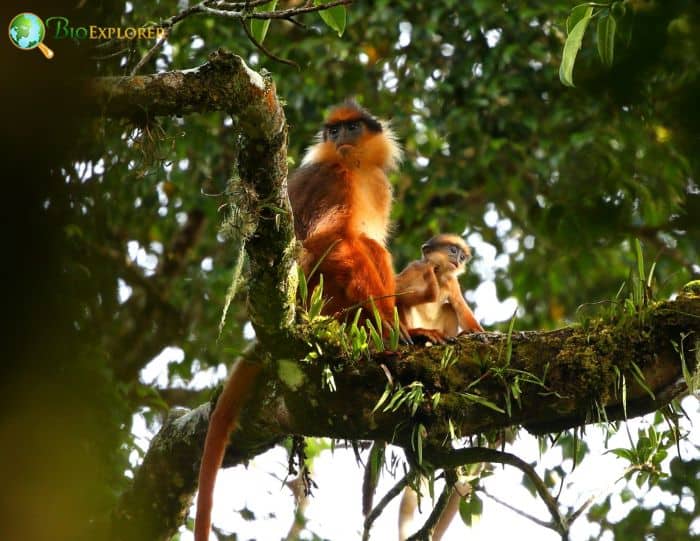
The Myanmar snub-nosed monkey or black snub-nosed monkey (Rhinopithecus strykeri) is an endangered Colobino monkey species discovered in northern Burma (Myanmar) in 2010. These Asian primates’ tails are relatively long, usually around 1.4 times their body length.
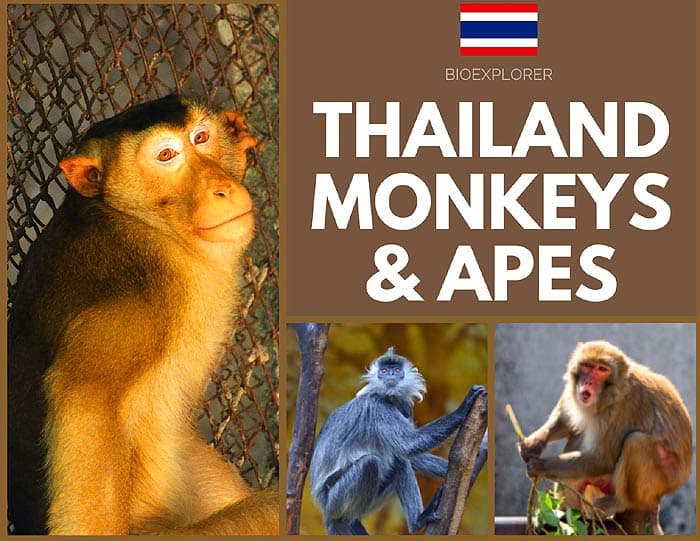
Thailand is home to 13 species of monkeys, though none of them are endemic to the country; quite a few can be found across Southern Asia. Other examples of common monkey species in Thailand include the Indochinese silvered langur, the northern pig-tailed macaque, and the rhesus Monkey.
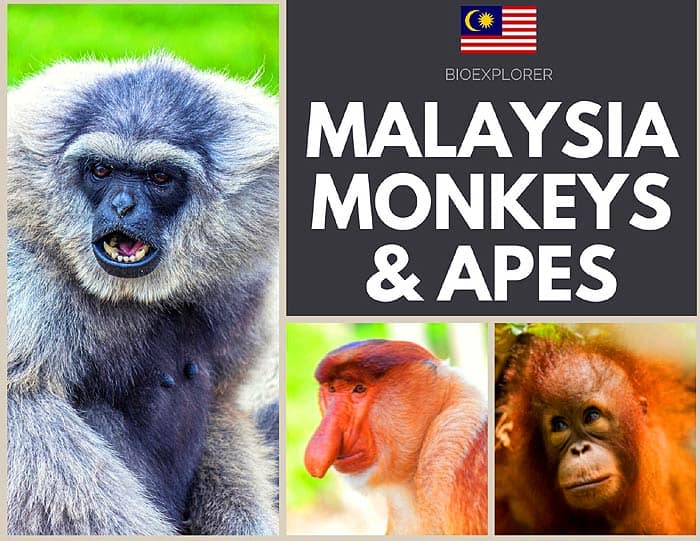
Malaysia is home to various monkeys, though most are considered endangered. Some examples of these species are the stump-tailed macaque, the proboscis monkey, and the white-thighed surili.
The black Sumatran langur is a species of monkey in the Cercopithecidae family that is endemic to Indonesia’s Sumatra Island. Presbytis sumatrana was once considered a subspecies of Sumatran Surili. Still, genetic analysis has shown it to be a distinct species.
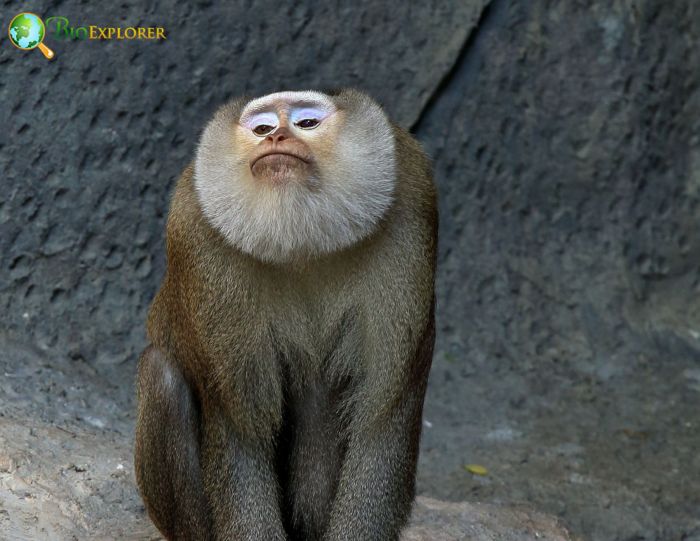
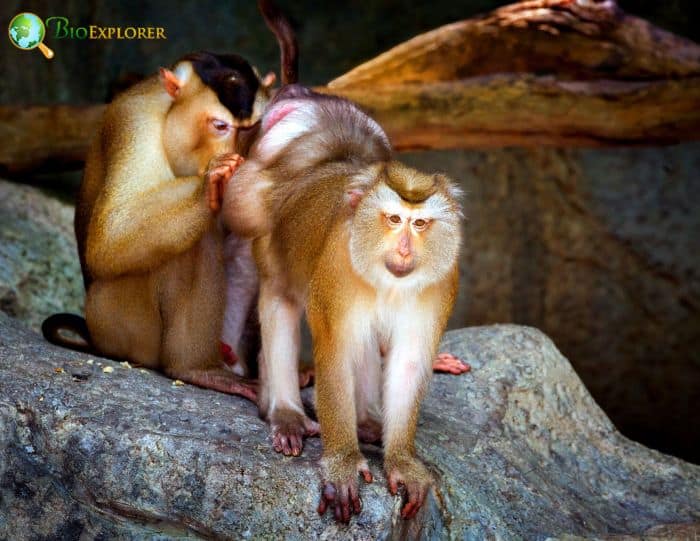
The northern pig-tailed macaque (Macaca leonina) is a macaque species in the Cercopithecidae family. Typical of this group of Old World monkeys, northern pig-tailed monkeys are gregarious, living in social groups of 9-81 individuals.
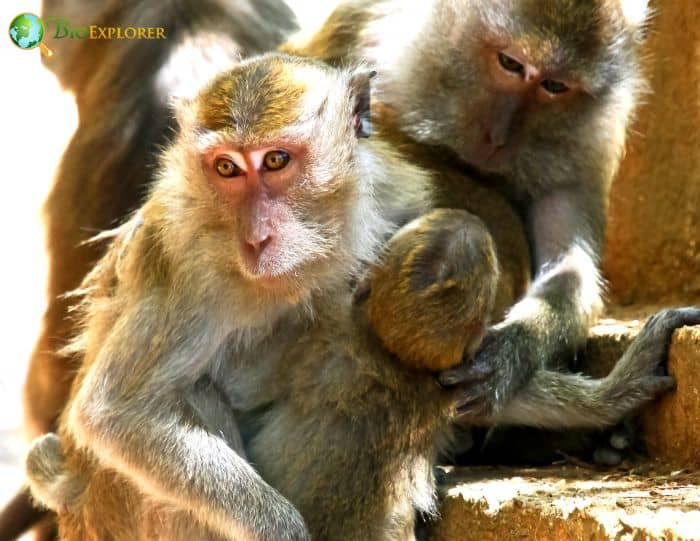
The crab-eating macaque also called the long-tailed macaque and known in laboratories as the cynomolgus monkey, is a primate monkey endemic to Southeast Asia. Crab-eating macaque macaques live in multi-male groups comprising around 30 members.
Despite the isolation enforced by the pandemic, research in evolutionary biology thrived in 2020. Here are the top 10 evolutionary biology news of 2020.
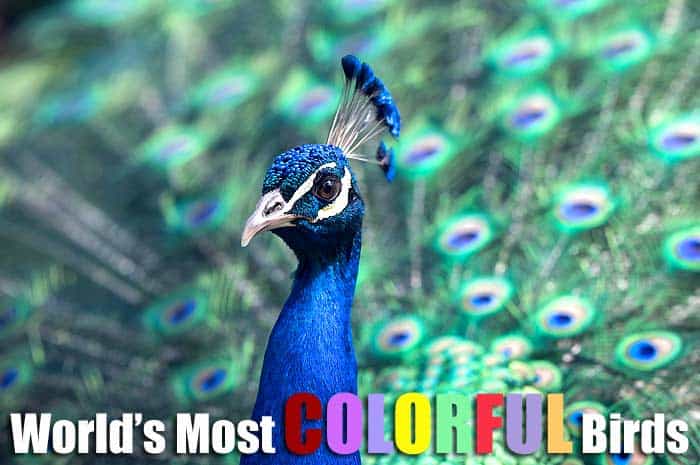
Discover the top 15 Mexican birds, from vibrant quetzals to rare doves. Learn where to find Mexico’s most colorful and unique bird species across forests, coasts, and mountains.
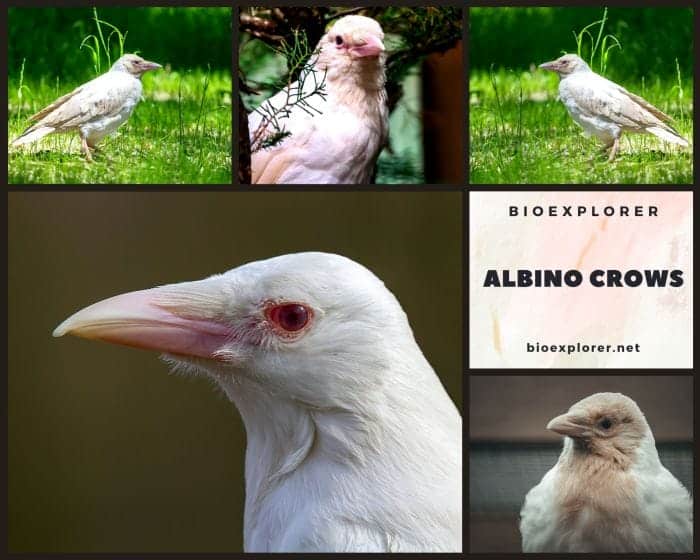
Rare genetic variants, albino crows reveal key insights into pigmentation, survival, and biodiversity despite the challenges posed by their bright white plumage that lacks the species’ typical protective camouflage.
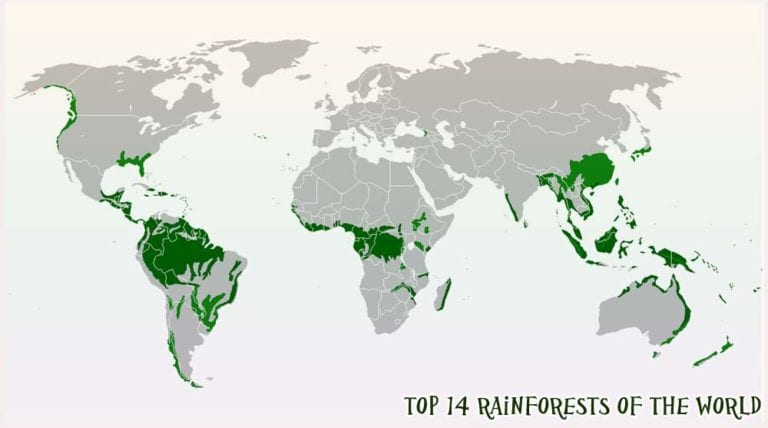
Rainforests are considered the planet’s oldest ecosystems. Here are the top most spectacular rainforests in the world (from different continents) & facts.
Texas is a large state with its own floristic region, having more than 5,000 species of native flowering plants. Because of its diverse landforms, Texas offers many famous blooms for visitors and residents. Explore the top 25 Texas flowers and their characteristics.
This article explores the top 21 black flowers, delving into their unique characteristics, growing requirements, and fascinating facts. Each of these varieties, from the classic Black Dahlia to the exotic Black Bat Flower, has a story to tell.
Discover the captivating world of the top 85+ white flowers, from the iconic Lily of the Valley to the lesser-known Snowball Viburnum. Explore their enchanting beauty, rich symbolism, and fascinating scientific facts in this comprehensive guide.
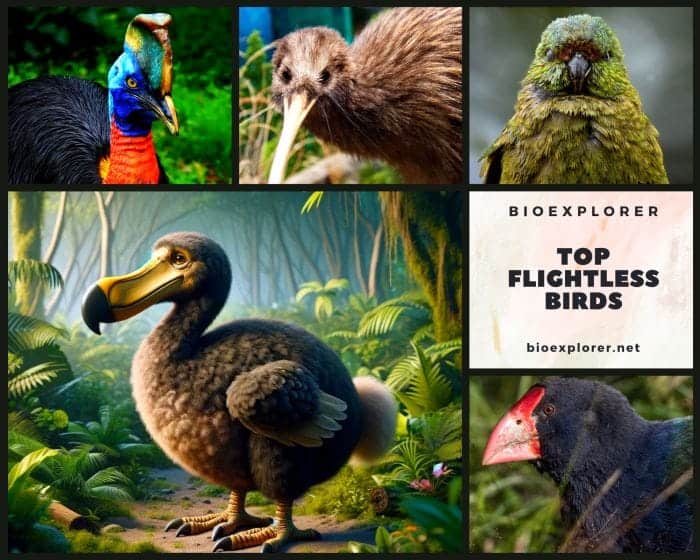
Flightless Birds: Insight into how birds adapted over time to live grounded lives. This article explores major flightless species – from giant moas to tiny kiwis and curious penguins – examining how isolation and lack of predators drove anatomical changes forfeiting skies for land locomotion mastery.
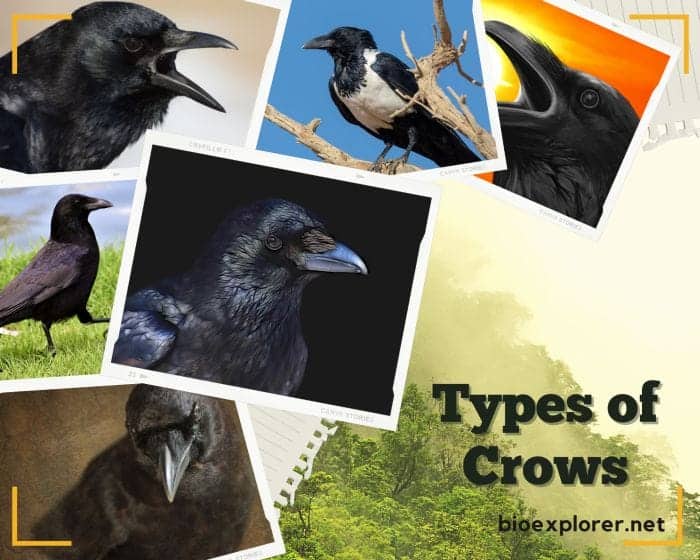
The Corvidae family, renowned for its intelligence and adaptability, includes crows, ravens, rooks, jackdaws, magpies, and jays. Within this family, the genus Corvus encompasses the “true crows” – a group of 43 recognized crow species found on every continent except South America and Antarctica. These birds are characterized by their robust build, all-black or mostly black plumage, strong bills, and remarkable problem-solving abilities. Crows occupy diverse habitats, from forests and grasslands to cities and islands. Many species are highly social, form complex social structures, and display advanced tool use and vocal mimicry. Their ecological roles range from scavengers to seed dispersers, making them vital to many ecosystems.
This Genetics news highlights the discoveries and innovations in Genetics in 2021. It emphasizes the genetic basis of various diseases and illnesses, including schizophrenia, aortic aneurysms, liver cancer, and other lifestyle diseases, the genetic basis of embryonic stem cell development and more. Explore top 15 Genetics news of 2021.
Ericales is comprised many economically important flowering plants like Brazil nuts, kiwifruit, and primrose. Ericales is very diverse, involving chiefly trees and terrestrial shrubs that are cosmopolitan in distribution. Some families of Ericales possess the ability for aluminum accumulation. Hardy kiwi, Orange jewelweed, wand plant, lama tree, and Octotillo flowers are some examples of Ericales.
Discover the diverse types of trees, from deciduous to evergreen. Enjoy vivid pictures, and learn their roles in ecosystems and their conservation efforts.
Germain’s Langur is a lutung species endemic to Thailand, Vietnam, Laos, Cambodia, and Burma. Germain’s langur is a terrestrial tree-dwelling species occasionally found in lowlands.
The East Sumatran banded langur also called the East Sumatran banded surili are primarily found in the fragmented landscape of pulp and rubber plantations. These surilis are shy and alert creatures, rarely leaving the comfort of their canopies.
The Sarawak surili, also known as Cross-marked Langur, is a monkey species in the Cercopithecidae family. The Sarawak surili was once considered widespread but has declined significantly due to habitat and loss persecution.
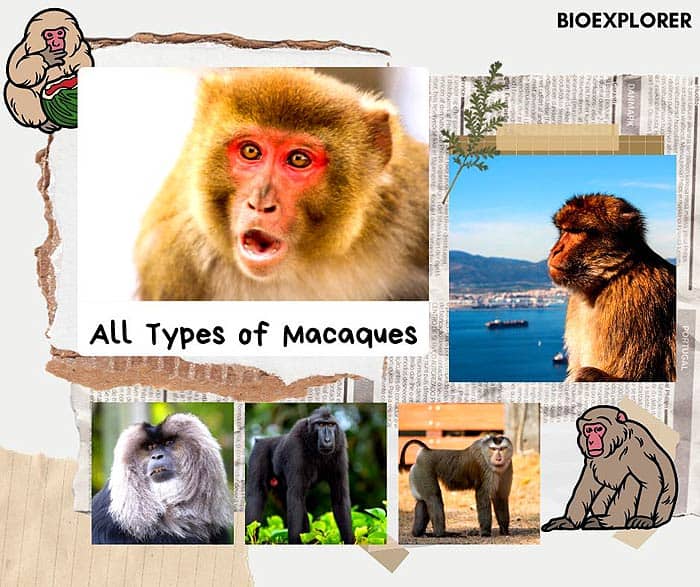
Macaques are old-world monkeys hailing from the Asian continent, with a few from Africa. Currently, 23 species of living macaques are classified under the genus Macaca in the family Cercopithecinae, and 5 extinct macaques.
The Pagai island macaque (Macaca pagensis), also called the Pagai or Bokkoi macaque is an Old-World monkey native to the Mentawai Islands on the west coast of Sumatra. Groups of Pagai Island macaques consist of approximately 5 to 25 individuals.
Tonkean macaques also known as Tonkean black macaques, are endemic to the central part of the island of Sulawesi and the neighboring Togian Islands in Indonesia. Tonkea macaques are pretty intelligent and creative.
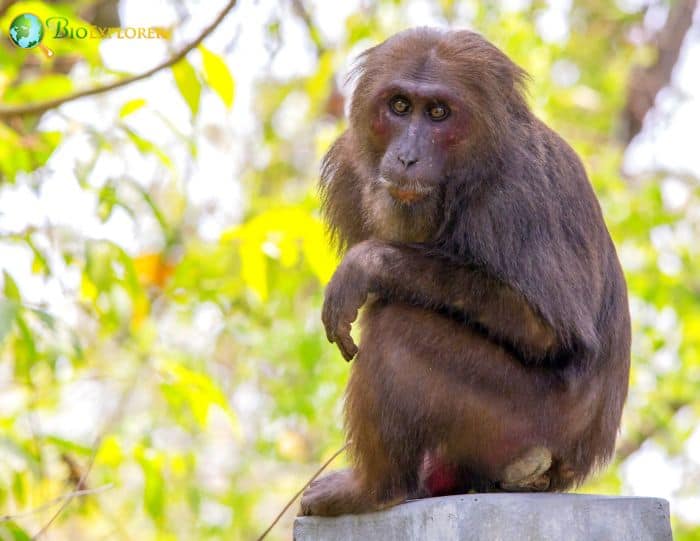
The stump-tailed macaque, also known as the bear macaque, is an Old World monkey endemic to Cambodia, northeastern India, southwestern China, Myanmar, and Laos, from northwestern Peninsular Malaysia, Vietnam, and Thailand.
The pig-tailed macaque (Macaca nemestrina), also called the Sundaland pig-tailed macaque and Sunda pig-tailed macaque is a medium-sized macaque native to southern Thailand, Indonesia, and Malaysia. Pig-tailed macaques also have long legs and hairless snouts.
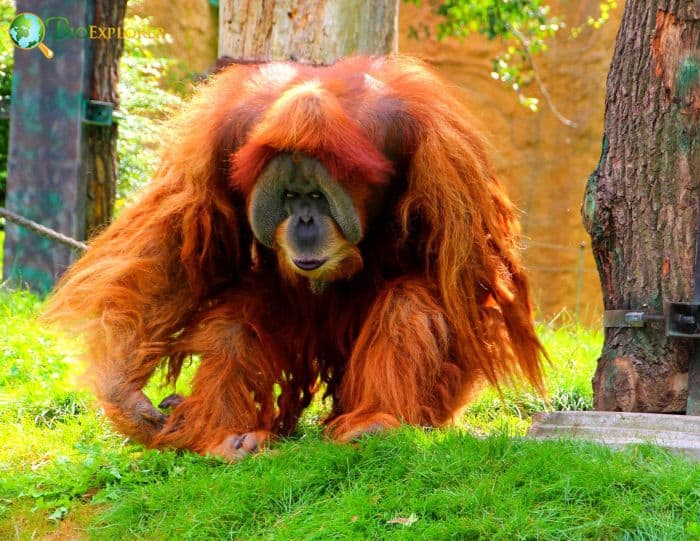
The Sumatran orangutan (Pongo abelii) is one of 3 species of orangutan. This Asian primate is critically endangered and found only on the Indonesian island of North Sumatra.
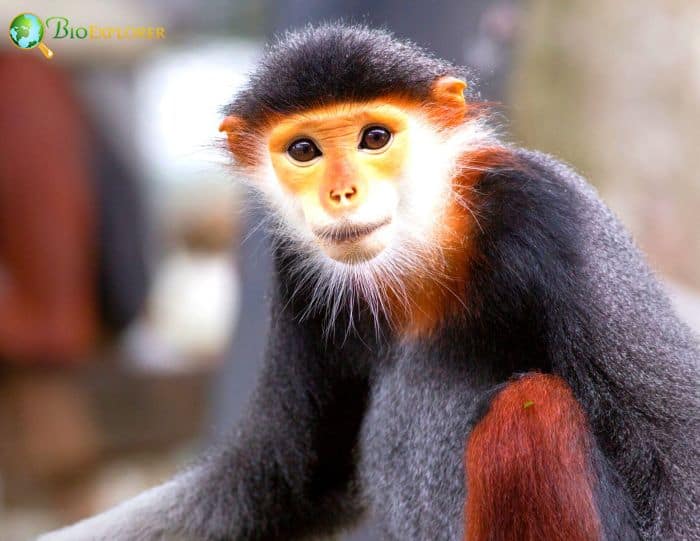
The red-shanked douc langur is an Old-World monkey species that is one of the most colorful primates. Red-shanked douc langurs are genetically similar to gray-shanked douc langurs; however, they are considered a different species due to their different biological characteristics.
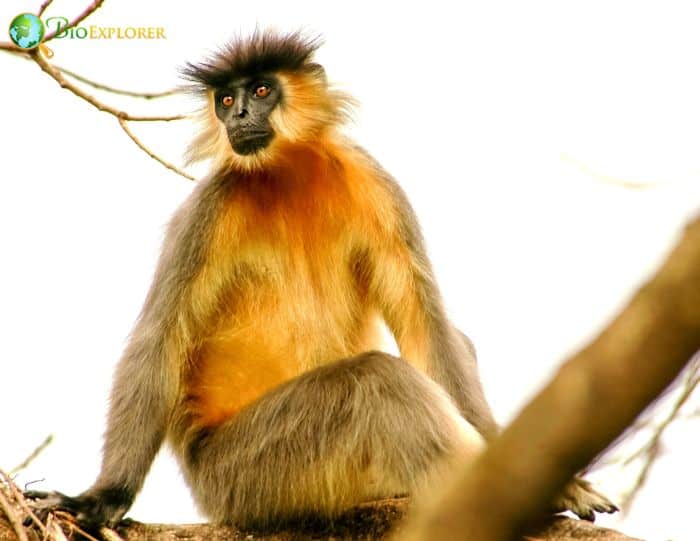
The capped langur is a type of monkey in the Cercopithecidae family. These langurs can vary in appearance. This Asian primate gets its name from the thick hairs on the top of the head, typically gray or black.
The black-crested Sumatran langur (Presbytis melalophos), also called the Mitred leaf monkey, is a primate species in the Cercopithecidae family. The black-crested Sumatran langur, Raffles’ banded langur, Sarawak surili, and black-and-white langur were formerly considered subspecies of Presbytis melalophos.
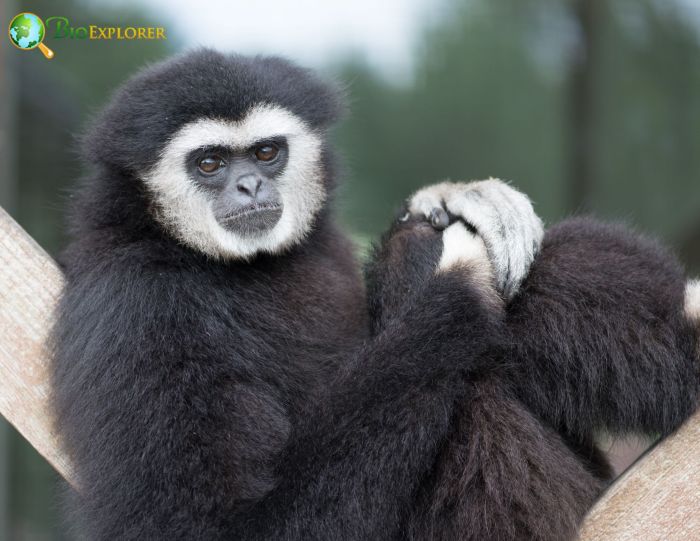
The Abbot’s gray gibbon, also known as a western gray gibbon, is an acrobatic primate of the gibbons’ family, Hylobatidae. Abbott’s gray gibbons are very small and light. The Abbott’s gray gibbon was named after zoologist William Louis Abbott.
This 2021 series of top 15 evolutionary biology news gives us a detailed overview of the recent development in this field. Commencing the evolution of coccolithophores, the adaptability of crocodiles, the creation of new therapeutic targets for treating age-related disorders in people, the epigenetic evolution of the cerebellum, and more.
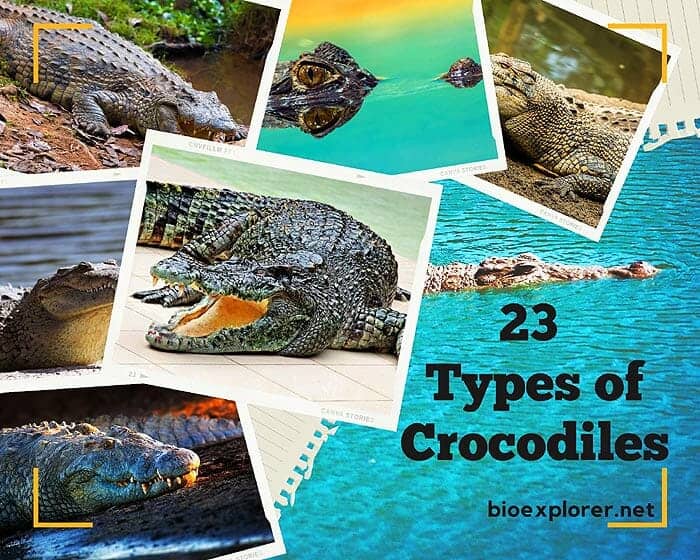
Crocodilia is one of the reptile orders dedicated to large, lizard-shaped, and predatory reptiles. Explore 23 types of crocodiles by water bodies, regions, and taxonomy classification year.
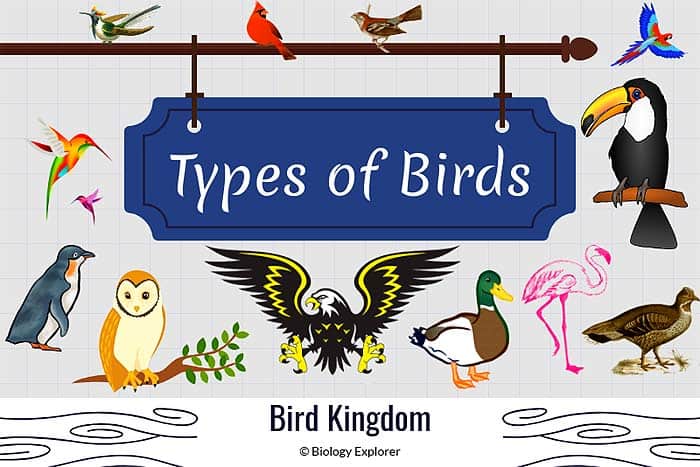
Birds are some of the most successful vertebrate animals on Earth. Explore different types of birds, their characteristics, and 40 orders of bird families.
Being in the top of the food chain, what do tigers eat in the wild? Tigers are one of the biggest cats on the planet. By nature, tigers are carnivores. They eat a good variety of prey depending upon the terrain they live in ranging from termites to baby rhinos and everything in between. Learn tiger diet in detail here.